
Dryer fires are one of the leading causes of safety hazards and equipment downtime in commercial laundry facilities worldwide. While commercial dryers are engineered to handle continuous high-capacity loads, the combination of high heat, flammable lint, and airflow restrictions creates a perfect storm for combustion. Ensuring safety and optimizing operating costs means having a rigorous, structured maintenance blueprint.
Understanding Dryer Fire Risks
Most commercial dryer fires start in the lint compartment or the exhaust ducting. Lint is extremely combustible, consisting of tiny fibers shed from cotton, linen, and synthetic fabrics. When airflow is restricted due to blockages, heat builds up rapidly inside the dryer drum and combustion chambers, raising temperatures past the safe threshold.
Furthermore, residues from organic oils, synthetic cooking oils, or improper chemical washes left on garments can spontaneously ignite under sustained high temperatures. Thus, proper wash cycles must always precede high-temp drying.
“Underestimating lint accumulation is the single largest operational oversight in modern industrial laundries. Clean passages don’t just protect lives—they drastically lower your monthly utility overhead.”
— James Holloway, Senior Mechanical Advisor
Essential Maintenance Checklist
A proactive prevention schedule is divided into daily, weekly, and seasonal checks. Consistency guarantees both safety compliance and long-term machinery preservation.
- Clean lint screens after every third load or at designated shift changes to prevent static pressure build-up.
- Verify burner operation and inspect pilot assemblies weekly to ensure clean gas combustion without excessive soot.
- Test thermal limit switches and exhaust sensors bi-weekly to ensure emergency shutdowns trigger accurately.
Lint Trap & Exhaust System Care
Dryer ductwork must be clean to allow optimal airflow. Rigid metal ductwork is the commercial standard. Avoid flexible plastic or foil ducts, which easily collect lint inside their ridges and collapse under high heat. Duct sweeps should be scheduled quarterly, using professional brush systems to clear bends and external dampers.
When to Replace Key Components
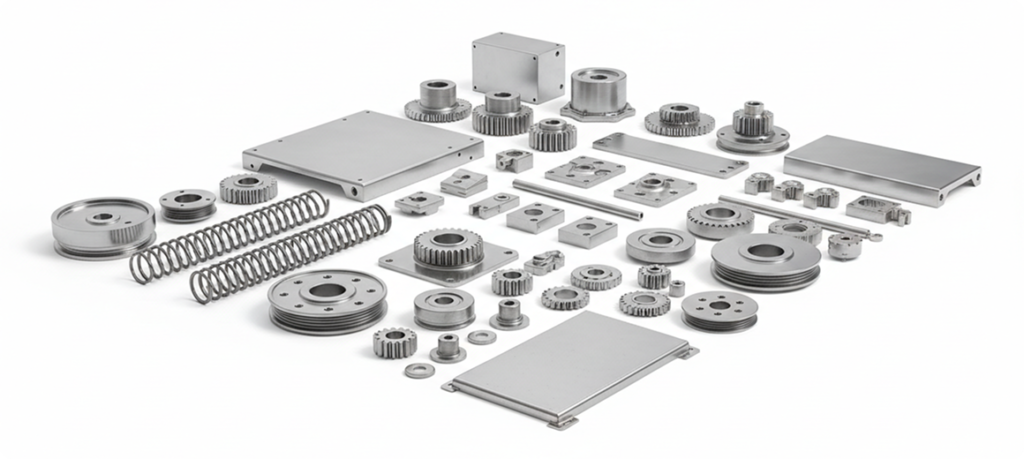
Even with diligent cleaning, specific high-wear electrical and thermal parts degrade over cycles. Thermostats, high-limit safety switches, and gas ignition valves should be monitored closely. If diagnostic sensors show fluctuating heat cut-offs or delayed ignitions, replace these components immediately with fresh OEM parts.